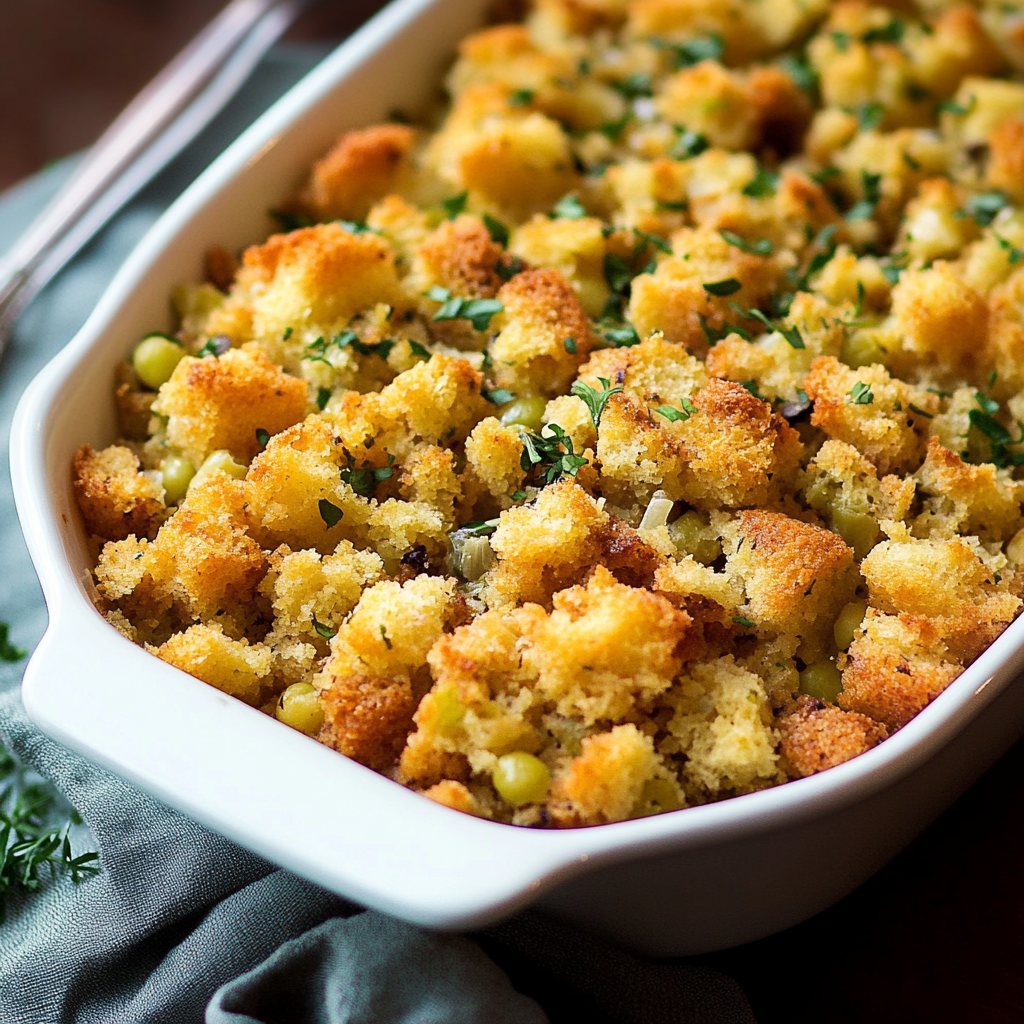
Master Cornbread Stuffing: The Ultimate Guide to Crispy Edges and a Moist Center
There are some dishes that transcend mere sustenance, becoming a cornerstone of our most cherished gatherings. For many,
cornbread stuffing is precisely that dish—the warm, comforting heart of any holiday meal, from Thanksgiving dinner to a festive Christmas spread. Its appeal lies in its unique blend of textures: a gloriously crisp, golden-brown crust giving way to a tender, deeply flavored, and perfectly moist interior. Achieving this coveted balance might seem like a culinary mystery, but with the right techniques, you can master
Elevate Your Holiday Table with Easy Cornbread Stuffing that will earn rave reviews.
This comprehensive guide will walk you through every step, demystifying the secrets to an unforgettable cornbread stuffing. We'll explore the foundational ingredients, essential techniques, and clever tips to ensure your stuffing is a triumph, making it a perfect fit for a grand holiday feast or a cozy weeknight gathering with family and friends.
The Foundation: Crafting Your Perfect Cornbread Base
The journey to exceptional cornbread stuffing begins, naturally, with the cornbread itself. While store-bought cornbread can work in a pinch, a homemade version offers a depth of flavor and texture that truly elevates the dish. Whether you prefer a slightly sweet Southern-style cornbread or a more savory, traditional Northern variety, the key is to ensure it's robust enough to hold its shape without crumbling excessively.
Homemade vs. Store-Bought:
- Homemade Cornbread: Allows for complete control over sweetness, texture, and flavor. A less sweet, denser cornbread often performs best, providing a sturdy base that won't turn mushy. Many recipes suggest baking your cornbread a day or two in advance to allow it to dry out slightly, which is ideal for stuffing.
- Store-Bought Cornbread: A convenient option. Look for plain cornbread loaves or mixes that aren't overly sweet or crumbly. Allow it to sit out overnight to dry a bit if possible.
Once you have your cornbread, the next crucial step is preparation. Cube the cornbread into roughly 1/2 to 3/4-inch pieces. The consistency in size ensures even toasting and absorption. The absolute game-changer here is
toasting your cubed cornbread before it ever meets the other ingredients. Spread the cubes in a single layer on a baking sheet and bake at around 375°F (190°C) for 10-15 minutes, or until the edges are lightly golden and crisp.
Why is toasting so vital? This simple step is the secret weapon against soggy stuffing. Toasting removes excess moisture from the cornbread, firming up its structure. This allows the cornbread pieces to absorb the savory broth and other liquids without disintegrating, ensuring your stuffing maintains that delightful fluffy texture rather than becoming a dense, wet mass. It’s the foundational trick to achieving both crispy edges and a moist, tender interior.
Building Layers of Flavor: Aromatics, Herbs, and Savory Add-ins
With your cornbread foundation ready, it's time to build the rich flavor profile that defines classic cornbread stuffing. This involves a harmonious blend of sautéed vegetables, fragrant herbs, and often, savory proteins.
Begin by sautéing your aromatics. In a large skillet, heat a generous amount of olive oil (or butter for extra richness). Add finely diced onions and chopped celery, along with a pinch of salt and freshly ground pepper. Cook these over medium heat for 8-10 minutes, allowing them to soften and become translucent and fragrant. This slow sauté coaxes out their natural sweetness and creates a delicious base. Next, stir in minced garlic and cook for just another minute until aromatic, being careful not to burn it, as burnt garlic can impart a bitter flavor.
The Herb Symphony:
Fresh herbs are non-negotiable for that authentic holiday aroma and taste. A classic blend includes:
- Sage: The quintessential stuffing herb, offering an earthy, slightly peppery flavor.
- Rosemary: Adds a piney, woody note that pairs beautifully with poultry.
- Thyme: Earthy and slightly minty, it's a versatile herb that complements the others.
- Parsley: Provides a fresh, bright finish and a pop of color.
Finely chop generous amounts of these fresh herbs and stir them into your sautéed vegetables. The warmth from the pan will help release their essential oils, intensifying their fragrance.
Elevating with Savory Add-ins:
While delicious on its own, cornbread stuffing truly shines with the addition of savory proteins.
- Italian Style Turkey Sausage: As highlighted by JENNIE-O®, turkey sausage adds a lean yet incredibly flavorful element. Brown it in the skillet before or after the vegetables, breaking it up into crumbles, then drain any excess fat.
- Other Proteins: Cooked and crumbled pork sausage, diced pancetta, or even sautéed mushrooms can offer different flavor dimensions.
- Sweet & Savory Touches: Dried cranberries, chopped apples, or toasted pecans can introduce delightful bursts of sweetness and crunch, complementing the savory notes.
The Art of Moisture: Achieving the Perfect Tender Center
Once your toasted cornbread, sautéed vegetables, and herbs (and any optional add-ins) are combined in a large mixing bowl, the next critical step is introducing moisture to achieve that coveted tender, moist center. This is where precision and patience pay off.
Whisk a few large eggs lightly in a separate bowl. These eggs act as a binder, helping the stuffing hold together, adding richness, and contributing to the overall texture. Then, gradually pour in your liquid—vegetable broth or chicken broth is ideal. Start with about 2 cups for a standard 9-13 inch dish, adding it slowly, a little at a time, while gently stirring the mixture.
The "Goldilocks" Principle: The goal is to moisten every piece of cornbread without saturating it to the point of sogginess. Adding the broth gradually allows you to observe how much the cornbread absorbs. Some cornbreads are drier than others and will require more liquid. You want the mixture to be evenly damp, where the cornbread is soft but still retains its shape and structure. If it feels too dry, add a little extra broth, a tablespoon at a time, until you reach the desired consistency. Remember, you can always add more liquid, but you can't take it away!
The Baking Process: The Final Touch for Texture Perfection
Once your cornbread stuffing mixture is perfectly moistened, it's ready for its transformation in the oven. Generously grease a 9x13-inch baking dish. Greasing the dish not only prevents sticking but also contributes to those wonderfully crisp edges and makes serving much easier. Transfer the mixture to the prepared dish, spreading it out evenly with a spatula. Even distribution ensures uniform baking, so every scoop offers that ideal balance of textures.
Now, for the critical two-stage baking process:
- Covered Bake (Moisture Retention): Cover the baking dish tightly with aluminum foil. This traps the steam and moisture within the stuffing, ensuring the interior cooks thoroughly and remains incredibly moist and tender. Bake for approximately 25 minutes in a preheated 375°F (190°C) oven.
- Uncovered Bake (Crispy Perfection): After 25 minutes, remove the foil. This allows the surface moisture to evaporate, encouraging the top and edges to turn golden brown and beautifully crisp. Continue baking for another 15-25 minutes, or until the top reaches your desired level of golden crispness. Keep an eye on it to prevent over-browning.
Once baked to perfection, resist the urge to immediately dig in! Allow the cornbread stuffing to rest for 10-15 minutes after removing it from the oven. This resting period is crucial; it allows the stuffing to set up, firming slightly so that it can be scooped out cleanly and hold its shape beautifully on the plate. A final sprinkle of fresh parsley adds a vibrant pop of color and freshness.
Tips for Success and Customization
Making delicious
Classic Cornbread Stuffing: Buttery, Herb-Filled Perfection is incredibly rewarding, and a few extra tips can make your experience even smoother:
- Make Ahead: Cornbread stuffing is an excellent make-ahead dish. Prepare the mixture a day in advance, store it covered in the refrigerator, and then bake on the day of your event. Leftovers can be refrigerated for up to 3-4 days or frozen for up to 3 months.
- Personalize Your Herbs: While sage, rosemary, and thyme are classics, don't be afraid to experiment. A touch of marjoram or a pinch of poultry seasoning can add another layer of complexity.
- Broth Variety: While vegetable broth is versatile, feel free to use chicken broth or even a good quality turkey stock for deeper, more savory notes, especially if serving with poultry.
- Gluten-Free Option: Easily adapt this recipe by using your favorite gluten-free cornbread. The principles of toasting and moistening remain the same.
Conclusion
Mastering cornbread stuffing with those irresistible crispy edges and a moist, flavorful center is a culinary accomplishment that will undoubtedly become a treasured part of your holiday tradition. By understanding the role of each ingredient and technique—from the crucial step of toasting your cornbread to the two-stage baking process—you can consistently create a side dish that is both comforting and deeply satisfying. This recipe isn't just about combining ingredients; it's about crafting an experience, a warm invitation to gather, share, and savor the homemade touch that makes any meal truly special. So go ahead, embrace the joy of creating this timeless classic, and prepare to delight your guests with the ultimate cornbread stuffing.